You Can Buy the Slot Beside Google's AI Answer. The Answer Still Cites Someone Else.
SE Ranking ran 50,032 commercial keywords through AI Mode. Ads showed on 29.45% of them, and the advertiser's own domain made the cited sources 11.53% of the time.

SE Ranking pushed 50,032 commercial keywords through Google’s AI Mode on June 30, across 20 niches at roughly 2,500 keywords each. Text ads came back on 14,733 of them. That’s 29.45%, close to one commercial query in three, and the researchers treat it as a floor rather than a ceiling because AI Mode results move around.
Then they checked something advertisers had been assuming.
For each keyword where a brand bought the ad, did that brand’s own site appear among the sources AI Mode cited in its answer? It did 11.53% of the time at the domain level. At the level of the exact page, 1.95%. Yevheniia Khromova, the SEO and Content Marketing Expert at SE Ranking who wrote up the study, stated the finding without cushioning it:
“Buying an ad won’t get your site cited. In 88% of ad keywords, the advertiser’s domain wasn’t among the sources AI Mode cited.”
Paid presence and cited presence are running on separate rails.
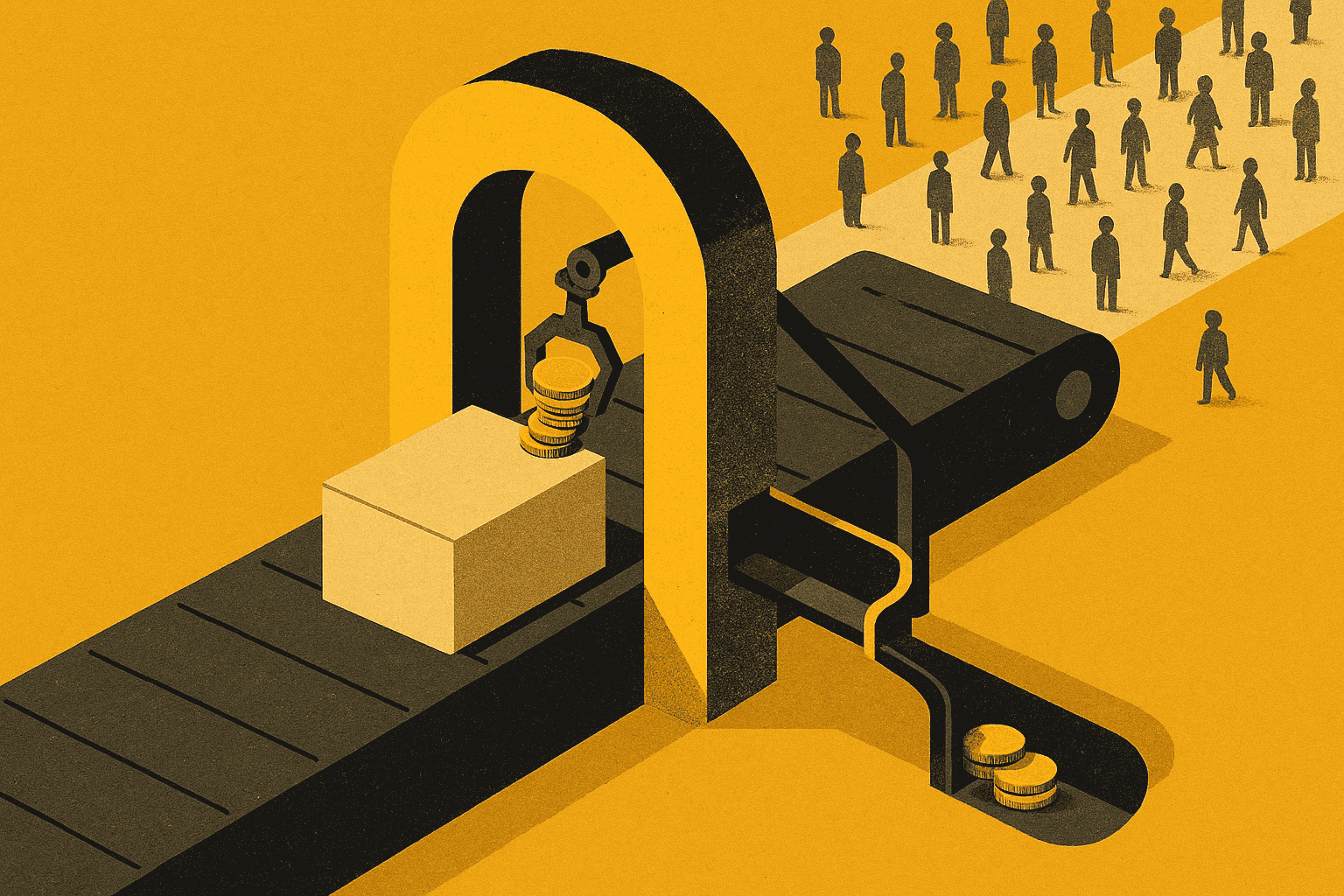
That distinction is worth slowing down on, because AI Mode collapses two things that used to sit apart on a results page. The answer is the block of text Google’s model writes, and the sources are the handful of links it names as where the answer came from. Getting named there is the AI-search equivalent of ranking. The ad is a separate unit sold through the same auction machinery as always, positioned next to that answer. Buying one has no bearing on the other, and the study found the gap holds even for the brands you’d expect to clear it.
Danny Goodwin, editor at Search Engine Land, drew the operational line in his July 15 write-up:
“Buying visibility in AI Mode doesn’t increase your chances of being cited or ranking organically. Treat AI Mode ads, cited sources, and organic rankings as separate visibility channels.”
The organic numbers say the same thing from the other side. Only 15.35% of advertiser domains ranked organically for the keyword they were bidding on, and 2.32% at the URL level. Roughly 85% of the advertisers buying into an AI answer had no earned position in the same query, a mismatch Search Engine Journal summarized as ads rarely matching the sources AI Mode cites. They’re renting proximity to a recommendation that points elsewhere.
Where it gets expensive is the price curve. Ad presence rose with cost per click in three clean bands: 24.33% on keywords under $2, 32.45% between $2 and $10, and 53.56% at $10 and above. More than half of the priciest commercial keywords now carry an ad in AI Mode. Category spread is wider still, from 72.38% ad presence in Pets down to 2.64% in Healthcare. So the keywords a business already pays the most to compete on are the ones where the paid slot is most crowded. The citation, meanwhile, is decided somewhere the auction can’t reach.
The mechanism behind that is worth understanding, because it explains why no amount of budget fixes it. Two different systems are running. The ad auction picks winners by bid and quality signals, the way search ads have always worked. The citation list comes from retrieval, the model pulling documents it judges relevant and trustworthy enough to build an answer from, then naming what it used. Money is an input to the first process and not to the second. There’s no bid that makes a model consider your page a better source. That makes this less a media-buying problem than a version of the one we described when 62% of Google’s AI citations started skipping the pages that rank.
For a marketing team, the practical damage is in reporting, not just strategy. Bundle these into one “AI visibility” number and the number lies in both directions. A rising ad impression count in AI Mode looks like growing presence in AI search while your citation rate sits flat. A flat ad count looks like stagnation while your content quietly gets picked up in answers you never paid for. Neither reading survives contact with the data, and vendors selling a single blended AI-visibility score are selling a metric this study just pulled apart. That’s the same measurement failure that turned up when AI agents took over most web traffic and referral clicks stopped counting any of it.
Khromova’s closing guidance is the correct operational read:
“So run AI Mode ads on their own terms and don’t expect ad spend to lift you into the sources. The ad slot is a paid-media decision; being cited is an authority-and-content decision, and neither one moves the other.”
Two budgets, two owners, two reports. The ad line buys placement next to the answer and should be judged on what placement has always been judged on: clicks, cost, and conversions. The citation work buys nothing directly and compounds slowly, which is why it loses every budget argument it’s forced to have against a channel that reports weekly. Fund it anyway. In a search result where one brand is quoted as the source and another is a box beside the source, the quoted one didn’t outbid anybody.
Quoted in this story
- Yevheniia Khromova, SEO and Content Marketing Expert, SE Ranking (source)
- Danny Goodwin, Editor, Search Engine Land (source)
Want your perspective in coverage like this? Get quoted.
Sources
- SE Ranking: AI Mode shows ads on 1 in 3 queries: 50K keywords studied
- Search Engine Land: Google AI Mode ads reach nearly 30% of queries: Study
- Search Engine Journal: Google AI Mode Ads Rarely Match The Sources It Cites
This story is part of our running coverage: the full picture →
Get Net Effect.
The net effect of AI on your marketing: the stories that matter, twice a week, in five minutes.