The Capture Economy: Your Team's Judgment Is the Raw Material AI Is Really After
Across a year of our reporting, the pattern under every AI agent is the same. It turns your team's hard-won judgment into an asset someone owns. The only question that matters is who.
Within 48 hours last week, Encore AI raised $30 million to copy a sales team’s best instincts into software, and TikTok opened a door for outside agents to run the ad console. Two unrelated stories, one buried mechanism.
Everyone is still arguing the wrong question. The debate is whether AI replaces the marketer or augments the marketer. It’s a comfortable fight because both answers keep the marketer at the center. The more useful question is quieter, and it decides who wins: when an AI tool captures how your best people work, who ends up owning that captured knowledge?
The agent was never the product. Your team’s accumulated judgment is the raw material, and value is moving fast to whoever owns the refined asset it becomes.
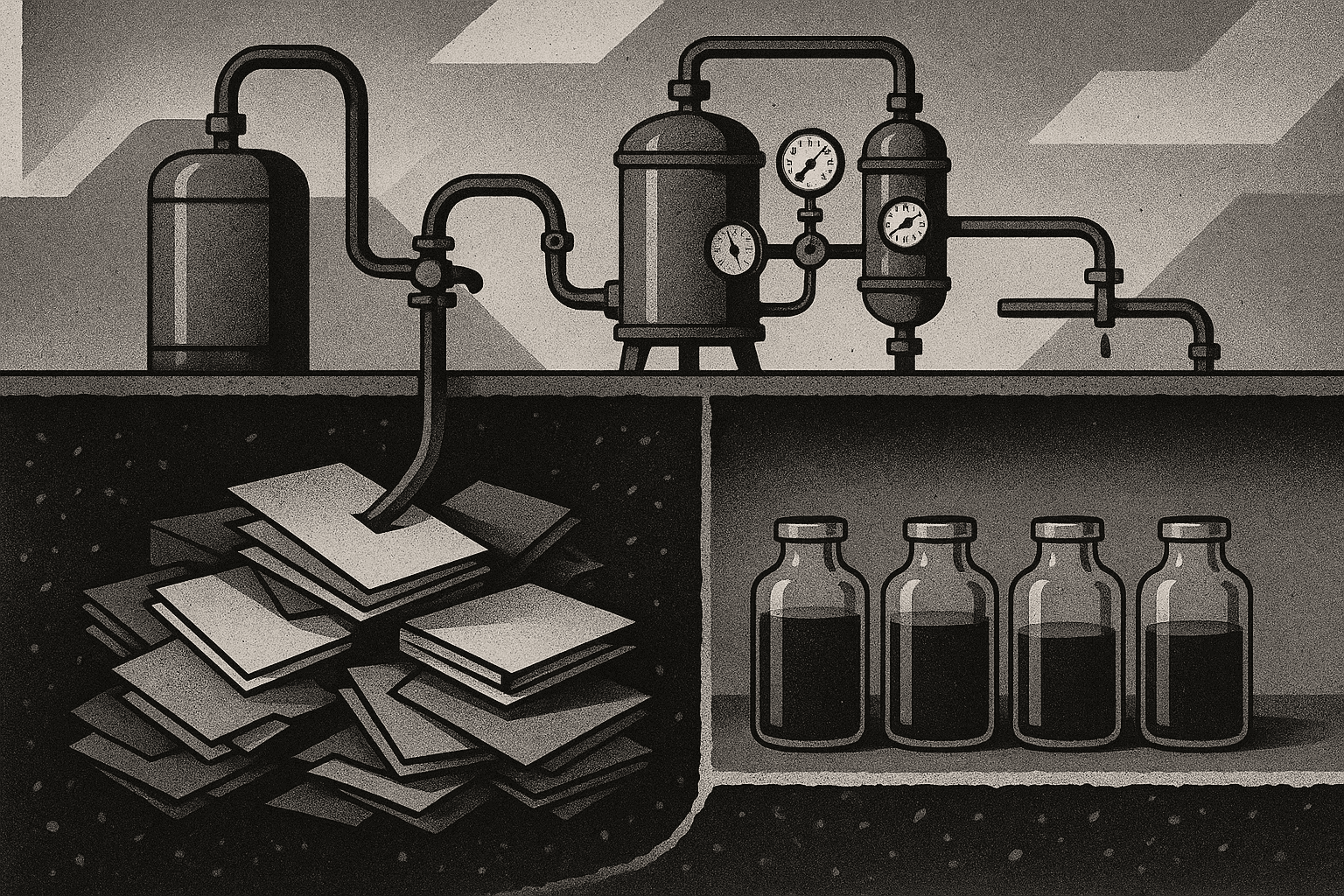
Look at what these tools actually ingest. Encore records a company’s calls, emails, and CRM data, finds the exact conversational moves that advanced a deal, and turns them into playbooks that train its agents. The input is your closer’s instinct. TikTok’s new agent port does the same to media buying: the bid tweaks and budget shifts a buyer made by feel become operations an agent runs through the protocol. The input is the buyer’s touch. Neither tool is impressive on its own. Both are refineries pointed at a resource your company never thought to meter.
We’ve been reporting one seam of this for a year without naming the whole. When Anthropic’s own marketing team cut a two-day report to two hours, the labor left standing was checking the numbers, not producing them. When Optimizely surveyed marketers, 76% said they now spend their week reviewing and correcting what the AI made. When companies claimed AI had replaced staff, only 11% had; the rest just handed the survivors a second job minding the machine. And OpenAI’s own staff now hand agents their longest tasks first, which means the entry-level work where people used to build judgment is the first to go. Each story looked like a piece about jobs. Together they’re a story about extraction: the hard-won know-how that lived in people’s heads is being pulled out, written down, and installed somewhere.
Here’s the case for calm, and it’s a good one. Jennifer Pockell Dimas, Chief Marketing and Experience Officer at Telarus, welcomes exactly this: most hard-won knowledge, she notes, already rots in a shared drive nobody opens. Capture it, make it a system that coaches in real time, and you lift the average performer toward the best one, in week one instead of year three. That’s real, and for junior staff it can be a genuine gift. If you’re going to cut the juniors and pay for the lost experience in 2028, a captured playbook is at least a hedge.
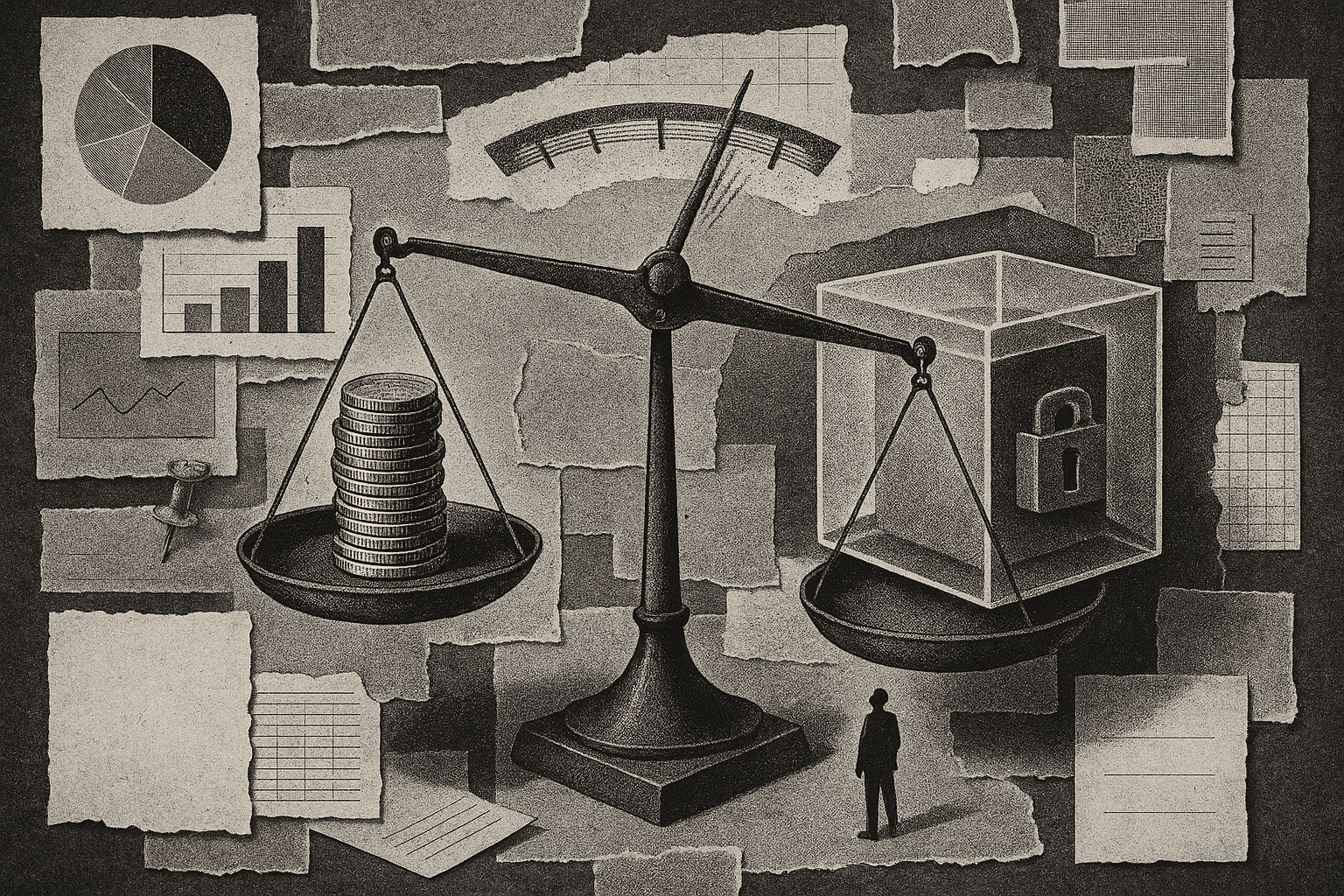
The optimism holds, but only under one condition the pitch decks skip: that you own the capture. When the refinery and the reserves are yours, codifying your team’s judgment is an edge you keep. When a vendor owns them, the same act is a slow transfer of your only durable advantage to a company that will sell a version of it to your competitor next quarter. Same technology, opposite outcome. The real fork has nothing to do with augment versus replace. It is ownership: who holds the asset when the knowledge stops being yours alone.
So carry one question into every AI purchase from here. Call it the capture question: is this tool refining our proprietary judgment into an asset we own and can walk away with, or into one the vendor owns and rents back to us? A closed model trained on your calls that you can export is a hedge. A closed model trained on your calls that lives only on the vendor’s side is a lease on your own instincts.
The mechanism under all of it is an old one wearing new clothes: a supply shock. For decades, the knowledge of how to close, position, or buy media was scarce and portable, so it commanded a salary and walked out the door when the person quit. AI makes that knowledge cheap to copy and impossible to un-see. When a scarce input goes abundant, its price falls and value moves to whatever stays scarce beside it. Two things stay scarce. The taste to decide which examples the machine should learn from, and the accountability to stand behind what it does when it’s live. Ethan Mollick, the Wharton professor, put the surviving skill plainly: the competencies “so often dismissed as ‘soft’ turned out to be the hard ones,” because directing an agent rewards knowing what good looks like and being able to explain it. The person whose judgment got captured doesn’t disappear. They get promoted from doing the thing to deciding what the machine learns and vouching for the result, or they get commoditized. Which one depends on whether they, or a vendor, own the capture.
Where does this go? Watch the pace. Encore says its revenue has grown fivefold in under 18 months, and the agent ports arrived at TikTok, Google, and Meta within the same year. The refineries are getting funded and shipped faster than most teams are deciding what to feed them. Extrapolate that, and a labeled forecast follows. My call, and it’s a projection, not a fact: by the end of 2027, a majority of B2B companies with 50 or more employees will give their proprietary AI playbook and knowledge base a named owner and a budget line, the way they staff any asset they mean to defend. The teams that treat their captured judgment as a balance-sheet asset will pull away from the ones that let a vendor record it for free. What would change my mind: if a vendor’s model, trained across a thousand clients, reliably outperforms any single team’s proprietary capture, then owning your own reserves stops mattering and this reverses into a pure buy decision. Two years of evidence points the other way, but that’s the number to watch.
If you own a marketing or revenue team, three moves follow.
- Capture your own patterns before a vendor does. Record your best people, write down what works, and make it an asset you hold. The company that meters its own reserves owns them. The one that waits rents them back from whoever recorded the calls first.
- Read the data-ownership clause like it’s the price. In every AI contract, find out who keeps the model your inputs trained and whether you can export it. That clause, not the feature list, decides whether you’re building an asset or leaking one.
- Rewrite the senior job around the scarce work. The role worth paying for is now choosing what the machine learns and standing behind its output. Name that job, staff it, and stop paying a premium for the production the machine already does for pennies.
The agent on the demo stage is a distraction. The real transaction is your team’s judgment changing hands. Decide now whether it’s changing into something you own.
Quoted in this story
- Ethan Mollick, Associate Professor, The Wharton School (source)
Want your perspective in coverage like this? Get quoted.
Sources
- TechCrunch: Encore AI raises $30M to build AI agents that learn from customer calls
- Digiday: TikTok launches MCP server to let AI agents run campaigns
- One Useful Thing: Management as AI superpower
- LinkedIn: Your Strategy Doc Just Became a Living AI Sales Coach
This story is part of our running coverage: the full picture →
Get Net Effect.
The net effect of AI on your marketing: the stories that matter, twice a week, in five minutes.