Agencies Are Running Client Research on Consumers Who Don't Exist. Humans Vet the Last 20%.
Synthetic respondents moved out of the AI-experiment column and into paid client work. The research job that survives is the checking, and nobody has priced it.
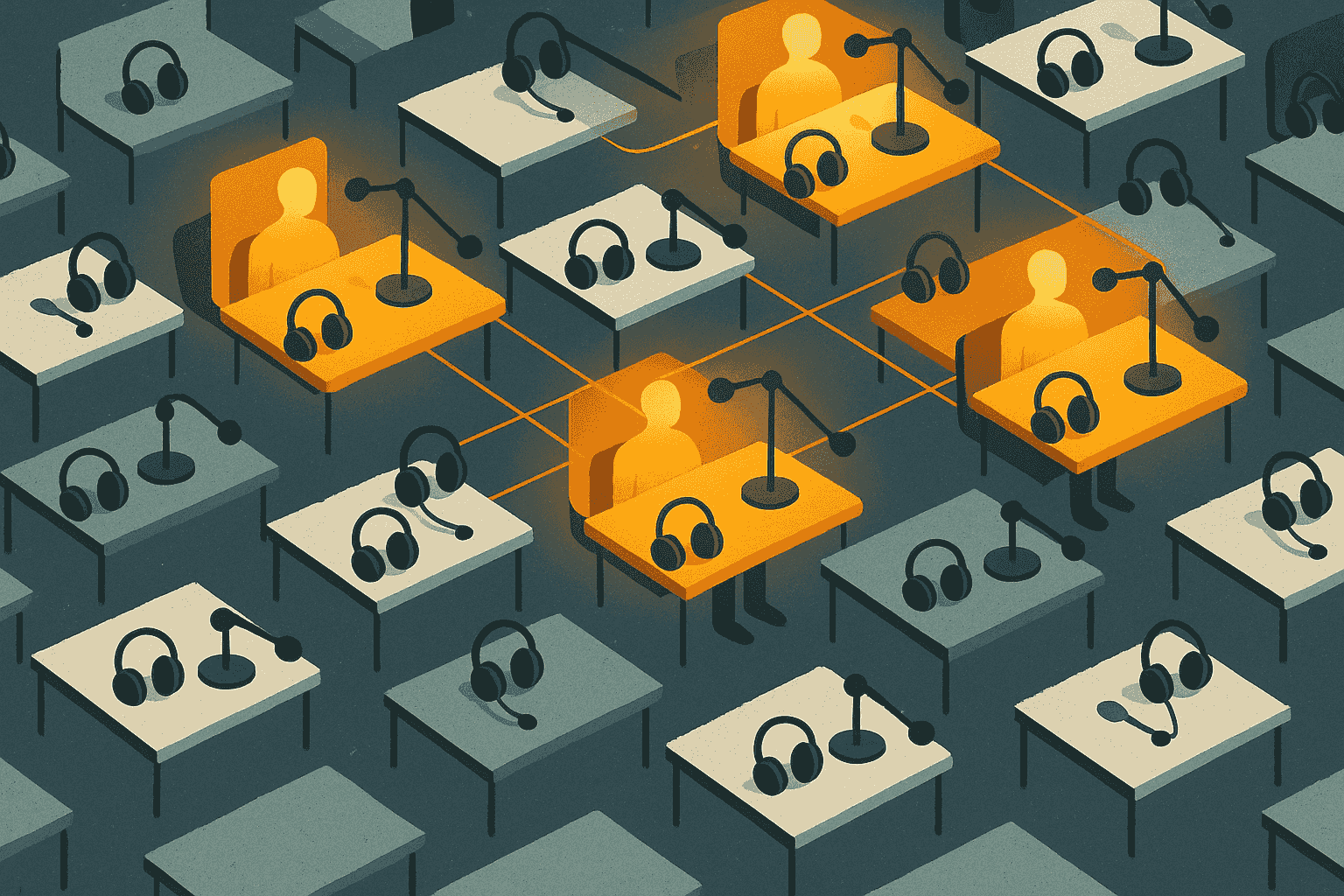
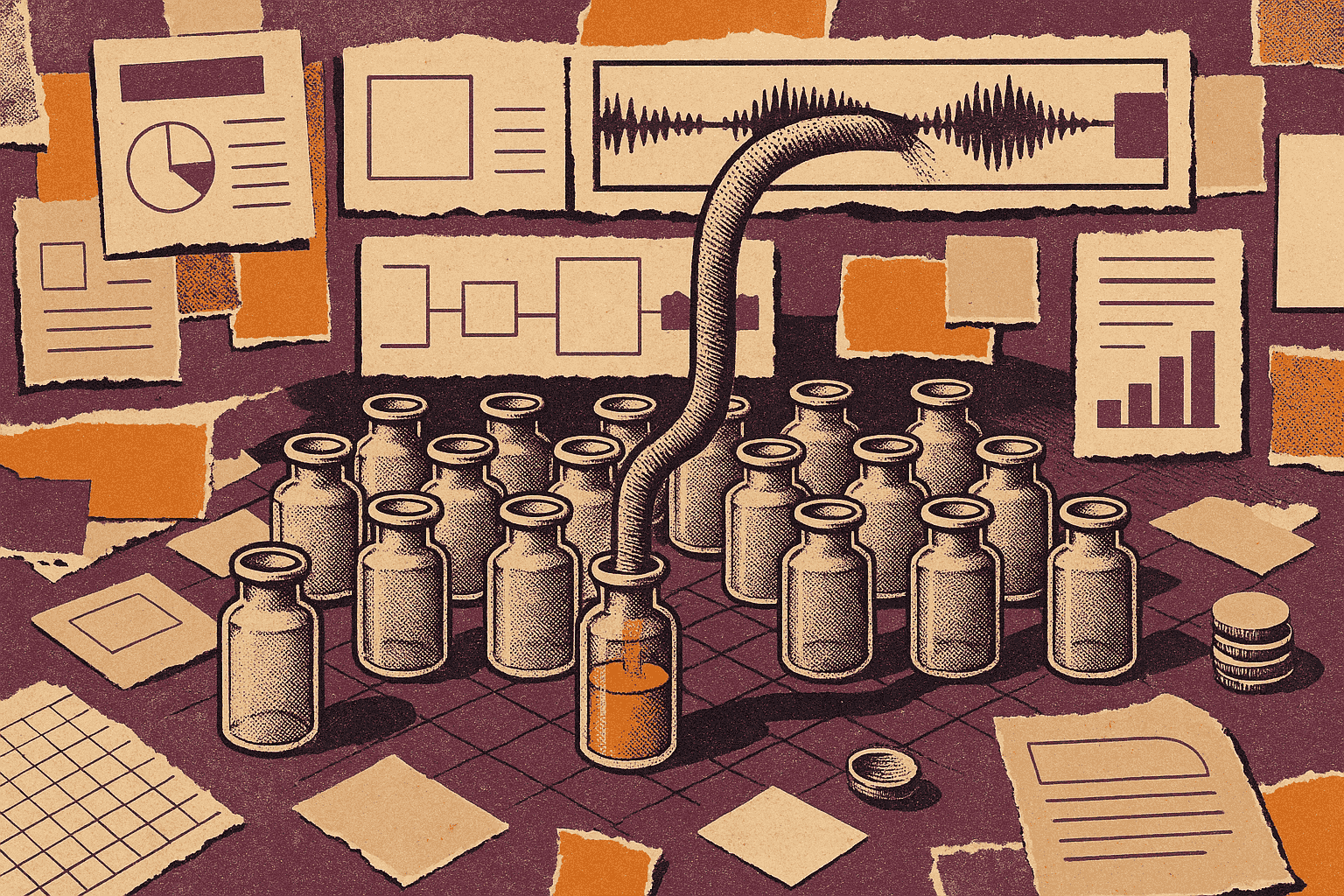
The advertising and PR firm Crowley Webb, whose client roster includes Evergreen Health, Niagara University, and M&T Bank, has started layering synthetic audiences into the research it bills for. Synthetic audiences are AI-generated stand-ins for consumers: personas built from existing data that answer research questions the way a real sample is supposed to, in minutes instead of weeks.
Digiday reported the shift on July 22, and the detail that matters isn’t that agencies are testing the technique. It’s where they’ve drawn the line.
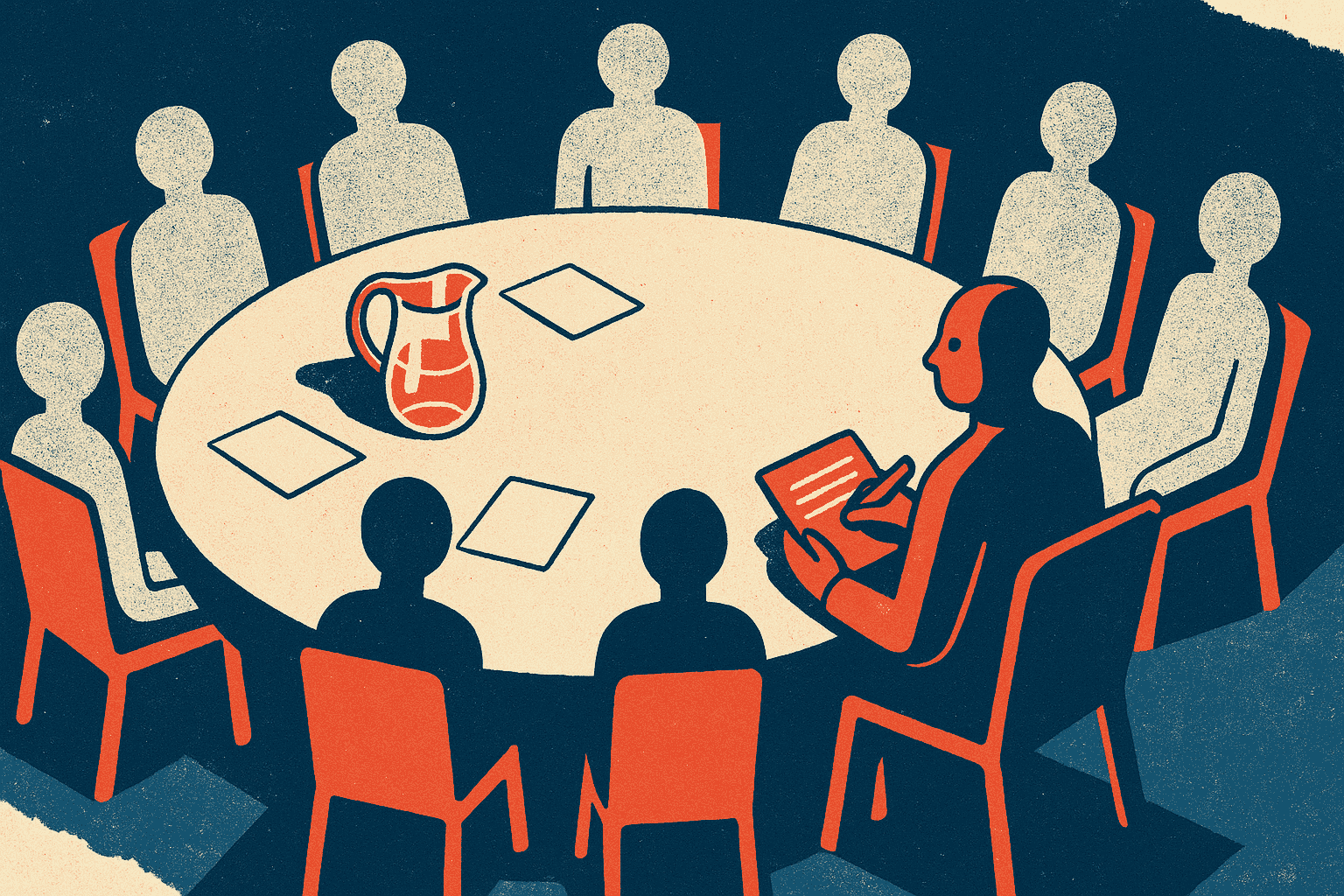
Andrea Berki-Nnuji, Senior VP of Data Analytics at Crowley Webb, described the split as a fully synthetic data set taking “the project 80% over the line, leaving the remaining 20% to be vetted by real humans.”
So the machine does the study. People check it.
That’s a different sentence than the one the industry has been arguing about for two years. The debate was framed as whether synthetic respondents could replace human panels, and the answer landing in practice is no, they replace the first draft of the study. The residual human work isn’t fieldwork. It’s verification, judgment about which findings survive contact with a real person, and the client conversation where someone defends the number.
Berki-Nnuji is not a skeptic holding the line against the tools. She’s describing what clients buy:
“Everybody chooses that [hybrid] option because they still recruit humans. Right now, I feel like I would have [a] hard time selling option three [fully synthetic audiences].”
Her constraint on the method is the ordinary one. “Synthetic audiences are only as good as the data they’re built on,” she told Digiday. The failure cases she names are specific rather than philosophical: pharmaceutical clients restricted in how they can use AI, and rare-disease work where the population is small enough that a simulated respondent has nothing to simulate from.
The supply side has been building toward this since spring. Qualtrics launched synthetic consumer panels for US audiences in March. They run on a model tuned specifically for market research rather than a general-purpose chatbot, trained against more than 200 million third-party research respondents. The UK, Ireland, Canada, Australia, and New Zealand are planned for the first half of 2026. The company claims 12 times better accuracy than general-purpose large language models, a comparison worth reading carefully: the benchmark is other AI, not a human panel. Qualtrics’ own guidance on synthetic data holds the same position the agencies do, that synthetic responses augment human research and human respondents stay the source of truth the models are anchored to.
Brad Anderson, President of Products, Engineering, UX and Security at Qualtrics, named the demand this is aimed at, and it isn’t cost:
“It’s not because companies don’t believe it’s important or don’t want to do it. They don’t have the human capacity.”
That’s the mechanism. Research got skipped for years because it was slow and required people nobody had. A synthetic panel doesn’t win on being better than a well-run study. It wins on existing at all, against the alternative of a marketing team guessing because fielding a real survey would take six weeks it doesn’t have. Once the comparison is against no research rather than good research, adoption stops being a quality argument.
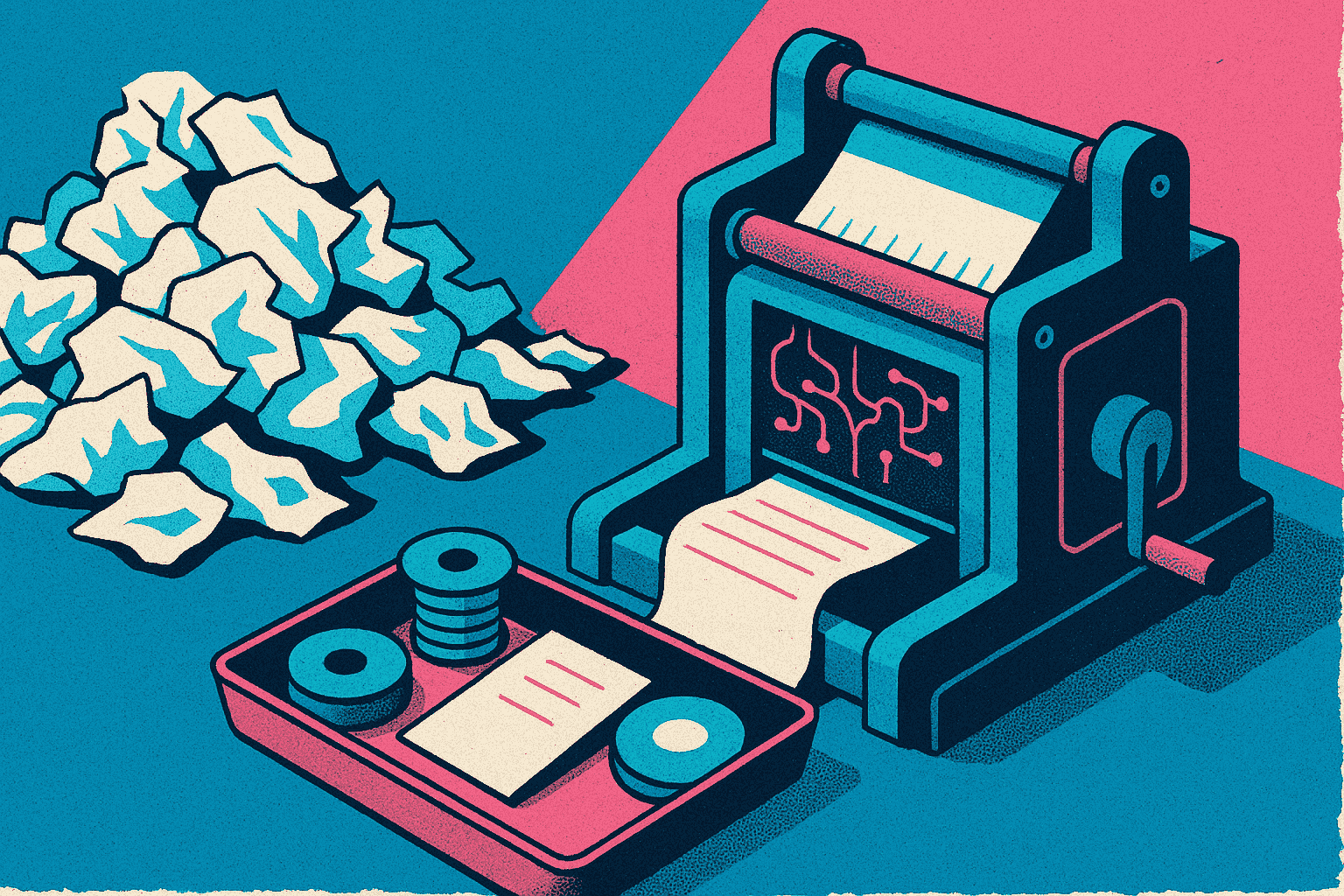
The career consequence follows from which 80% went away. The tasks a junior researcher used to own, screening and recruiting a sample, fielding the instrument, cleaning the data, running the first cut in something like SPSS, are the tasks a synthetic panel absorbs first. What’s left is the senior half: designing the question, knowing when a clean-looking result is wrong, and standing behind it in the room. That’s the same erosion we tracked when the bottom rung of the marketing career ladder started disappearing and when AI reshaped what marketing job postings actually ask for. The apprenticeship path in research ran through exactly the work that’s now automated, and nobody has proposed a replacement for how a person learns to spot a bad finding without having produced a few thousand of them.
There’s a second gap worth naming, because it’s live right now and unresolved. Berki-Nnuji describes personas that persist between studies: “You have these personas, they are living in this tool, and you can always go back and talk to them.” Useful. Also a disclosure question nobody in the reporting answers, which is whether the client buying a research deliverable knows which findings came from a simulated respondent and which came from a person. Crowley Webb’s own framing suggests it’s careful here. “We are, I would say, traditional researchers here at heart,” Berki-Nnuji said. No industry norm requires that care, and a hybrid deliverable that doesn’t separate the two halves is a document where 80% of the evidence has a property the reader can’t see.
The 20% is where the whole thing rests. It’s the part that catches a persona confidently reporting a preference no human holds, and it’s the part that gets cut first when the promise of the tool is speed. Agencies adopting this should write the split into the deliverable: which findings are synthetic, which were validated against humans, and who signed off. Do it before a client asks, because the first time a campaign built on simulated consumers misses, the question won’t be whether the tool worked. It’ll be who read the output.
Quoted in this story
- Andrea Berki-Nnuji, Senior VP of Data Analytics, Crowley Webb (source)
- Brad Anderson, President of Products, Engineering, UX and Security, Qualtrics (source)
Want your perspective in coverage like this? Get quoted.
Sources
This story is part of our running coverage: the full picture →
Get Net Effect.
The net effect of AI on your marketing: the stories that matter, twice a week, in five minutes.