OpenAI Cut the Price of Frontier AI Again. For Marketing Budgets, Cheaper Per Token Isn't Cheaper.
OpenAI's GPT-5.6 drops frontier AI to as low as $1 per million words in. It resets what a small marketing team can automate, but the per-token sticker is the wrong number to budget from.
On July 9, OpenAI put frontier-grade intelligence on the shelf at three prices. GPT-5.6 shipped in three tiers: Luna at $1 in and $6 out per million tokens, Terra at $2.50 and $15, and Sol, the flagship, at $5 and $30. Tokens are the chunks of text a model reads and writes, roughly a word each, and you pay by the token going in and coming out. The cheapest tier is a frontier model, the newest and most capable class OpenAI makes, for a dollar a million words of input.
Sam Altman framed the release around efficiency, not raw power. Sol, he said, is “54% more token efficient when it comes to AI coding tasks” than the model before it. OpenAI’s own numbers make the same case: on its Coding Agent Index, the company says Sol “sets a new state of the art at 80” while “using less than half the output tokens, taking less than half the time, and costing about one-third less” than Anthropic’s Fable 5.
For a marketing team, the arithmetic matters more than the benchmark.
The price of capable AI drops again, and work that was too expensive to hand off last quarter pencils out this quarter. That’s the real event every time one of these releases lands: the floor drops lower.
The catch is that the price on the sheet isn’t the price you pay. Simon Willison, the independent developer who benchmarks each model the day it ships, tested all three and put it plainly:
“price-per-million tokens doesn’t tell us much now that the number of reasoning tokens can differ so much between models for the same task.”
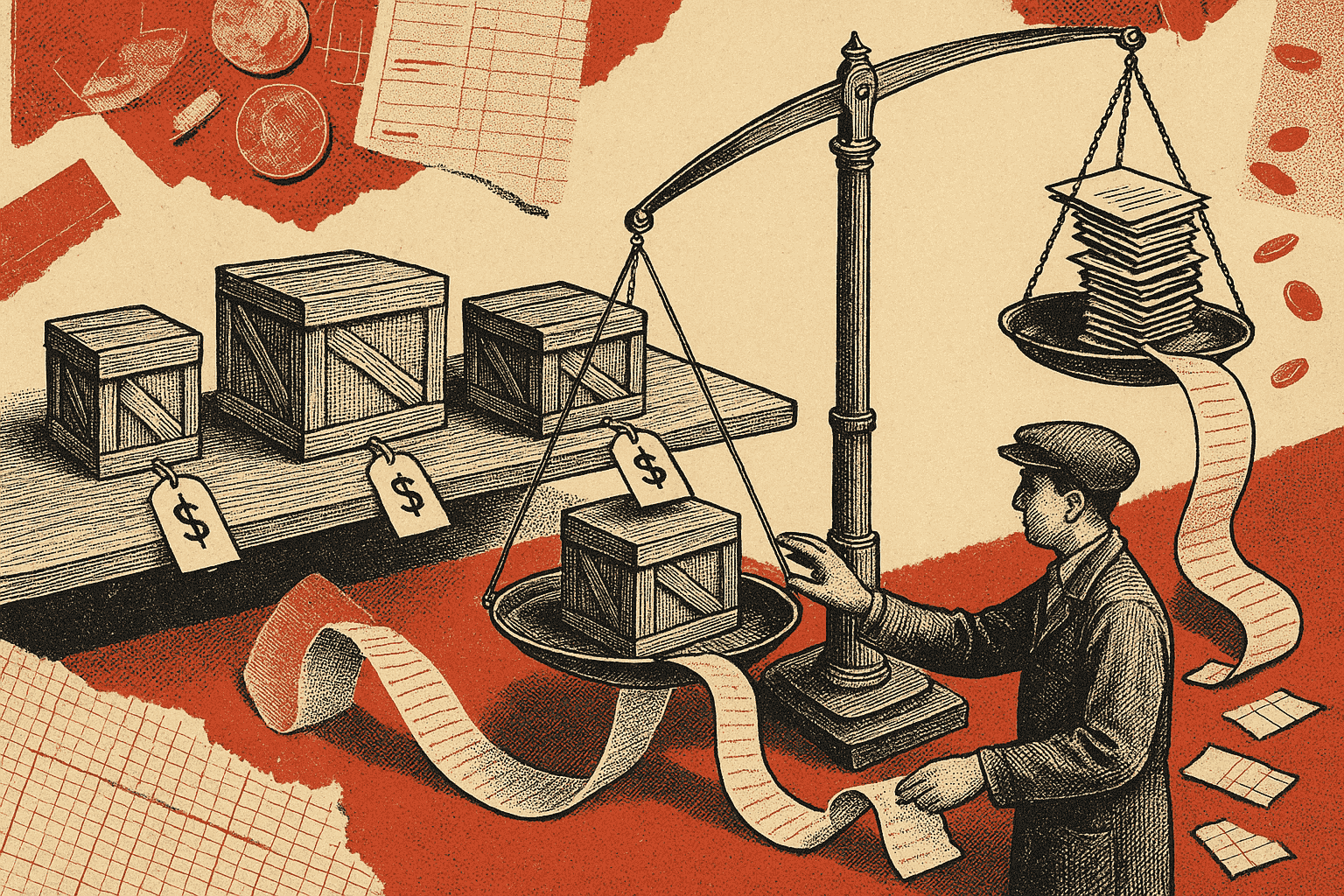
Read that before you reband anything. A reasoning model works through a problem in steps before it answers, and every step burns tokens you get billed for. Two models with the same sticker price can cost wildly different amounts to finish the same job. Willison’s own numbers showed the spread: running one image prompt across the family, he measured a low of 0.71 cents on Luna and a high of 48.55 cents on Sol at maximum reasoning. Same afternoon, same model family, a 68x range on a single task.
So the number that matters is cost per finished task, not cost per token. Artificial Analysis, which scores models on intelligence and price together, found Sol delivers “a similar level of intelligence to Claude Fable 5 at approximately one third of the cost.” It also found the thing a budget owner actually needs to know: “for any Terra effort level, there is a Luna or Sol effort level that is more intelligent at no extra cost, or equally intelligent at lower cost.” The cheapest tier on the price sheet is not always the cheapest outcome on the invoice.
Marketers who pay these bills for a living already budget this way. Jonathan Mast, founder of the AI consultancy White Beard Strategies, said his team stopped shopping for the best model and started shopping per task:
“We mapped every recurring AI task to a quality bar, then assigned each task the cheapest model that consistently cleared that bar.”
Drafting routine emails, tagging inbound, summarizing calls: those go to the cheap tiers, which now clear the bar. The frontier tier gets reserved for what Mast calls “the small handful of tasks that genuinely require deep reasoning.” One price sheet, several jobs, a different model on each line.
This is the same meter that showed up when agents started running marketing end to end: a bill that moves with how much the model thinks, not a fixed seat you can forecast. What GPT-5.6 changes is where the floor sits. When the cheap tier is genuinely capable, more of the routine work, the drafting, the tagging, the first-pass research, pencils out at a price a five-person team can absorb. Luna also reads a million tokens of context at once, the amount of text you can feed a model in a single go. That’s enough to hand it a quarter of campaign docs in one prompt. The frontier tier stays expensive. You just need it less often.
That resets a specific line in the marketing budget. The 15.3% of budget CMOs are already pouring into AI mostly bought access and experiments, and a lot of it couldn’t show a return. Cheaper, better models don’t answer that question. They lower the cost of the tasks you were already running and raise the ceiling on what a small team can attempt without hiring. The teams that gain from this are the ones that can tell which tasks actually need the frontier model and leave the rest on the cheap tier.
So don’t rebudget around the price drop. Rebudget around the task list. Cheaper per token is not cheaper per job, and the headline number was never the one your finance team was going to ask about. Sort the work by how much thinking it actually needs, put the cheap tier on everything that clears the bar, and spend frontier money only where the bar is high. The price of intelligence keeps falling. Matching it to the job is the whole skill, and it’s the difference between a smaller bill and a bigger one.
Quoted in this story
- Sam Altman, CEO, OpenAI (source)
- Simon Willison, Independent developer and creator of Datasette, Datasette (source)
- Jonathan Mast, Founder, White Beard Strategies (source)
Want your perspective in coverage like this? Get quoted.
Sources
- TechCrunch: OpenAI launches its new family of models with GPT-5.6
- Simon Willison: The new GPT-5.6 family: Luna, Terra, Sol
- Artificial Analysis: GPT-5.6 has landed: benchmarks across Intelligence, Speed and Cost
- CryptoBriefing: OpenAI sets GPT-5.6 pricing at $5 input, $30 output per 1M tokens with three-tier model family
- White Beard Strategies: Which AI Model Should My Business Actually Pay For in 2026?
This story is part of our running coverage: the full picture →
Get Net Effect.
The net effect of AI on your marketing: the stories that matter, twice a week, in five minutes.