Running coverage · Updated July 22, 2026
The State of the AI Marketing Stack
The running record of what AI is doing to the marketing stack: the martech cull, tools collapsing into platform features, agent economics, and the web rebuilt for machine readers.
The short version
- The martech map has stopped growing for the first time in its history. Scott Brinker's 2026 census counted 15,505 products, up just 0.79%: 1,488 launched, 1,367 disappeared.
- Standalone AI tools are becoming platform features. Content Marketing lost 176 products in a single year, the largest category contraction the census has recorded, as suites and base models absorbed the point solutions.
- The tools consolidated faster than the ability to use them: Gartner found 45% of martech leaders running AI agents say vendor capabilities miss the promised business performance, and marketers use only about a third of the stack they already pay for.
- Agent pricing flips software economics from fixed seats to a running meter. EY pegs an orchestrated agent interaction at roughly 30 times the cost of a chatbot exchange, and Gartner predicts 40% of agentic AI projects will be canceled by end of 2027.
The stack marketers spent a decade assembling is being disassembled by the technology it’s buying. This page is our running record of that rebuild: which tools survive absorption into platforms, what autonomous agents actually cost to run, and how the web itself is being rewired for machine readers.
What the evidence says so far
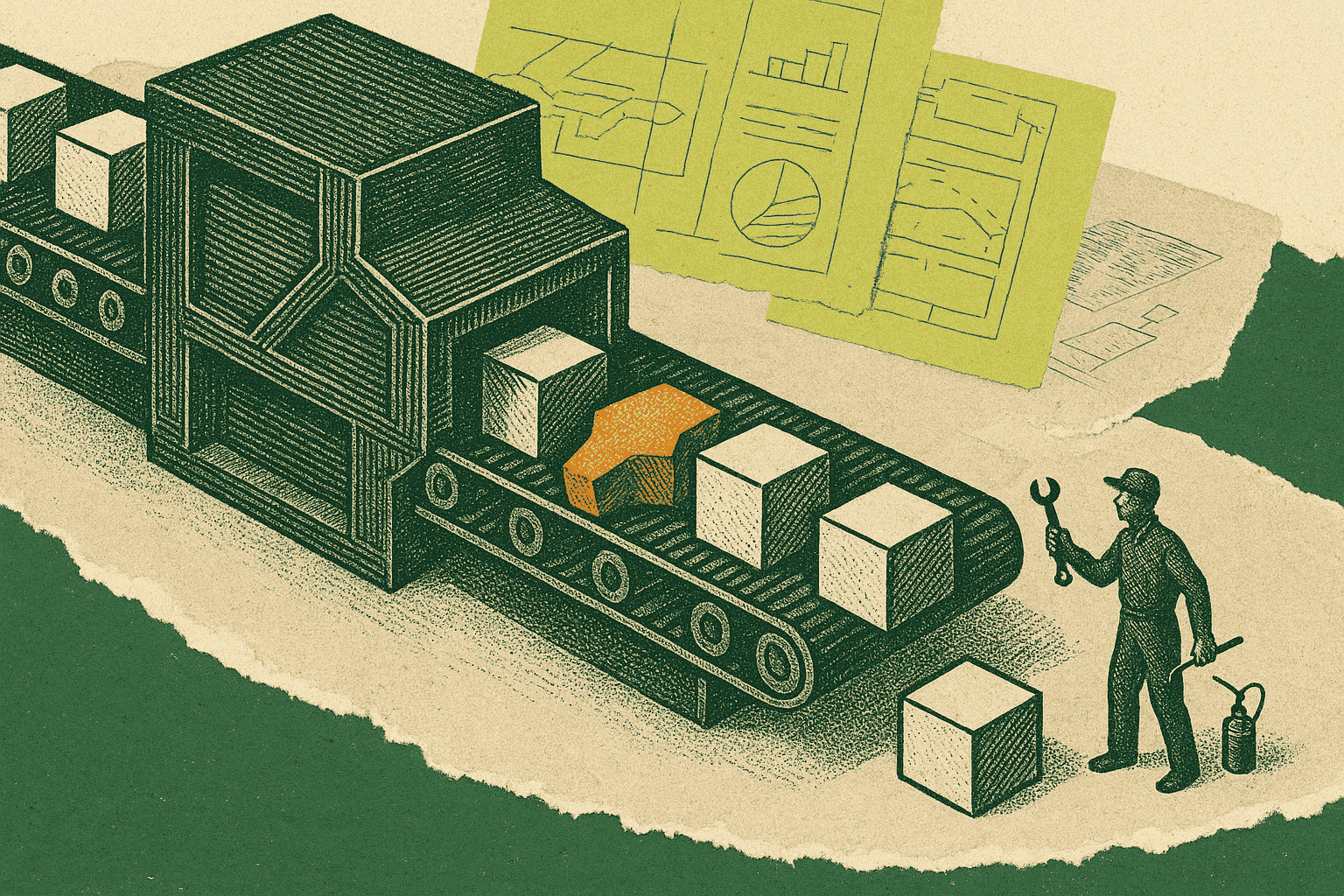
The cull is measurable. Brinker’s 2026 census logged the first flat year in martech history, and the deletions tell the story: the standalone tools disappearing are the ones whose whole product became a text box inside a suite. Our full read: martech added 1,488 tools this year and deleted 1,367. The buying rule that follows, most AI marketing tools are features waiting for a platform to ship them, is the renewal conversation every operator should be having this quarter.
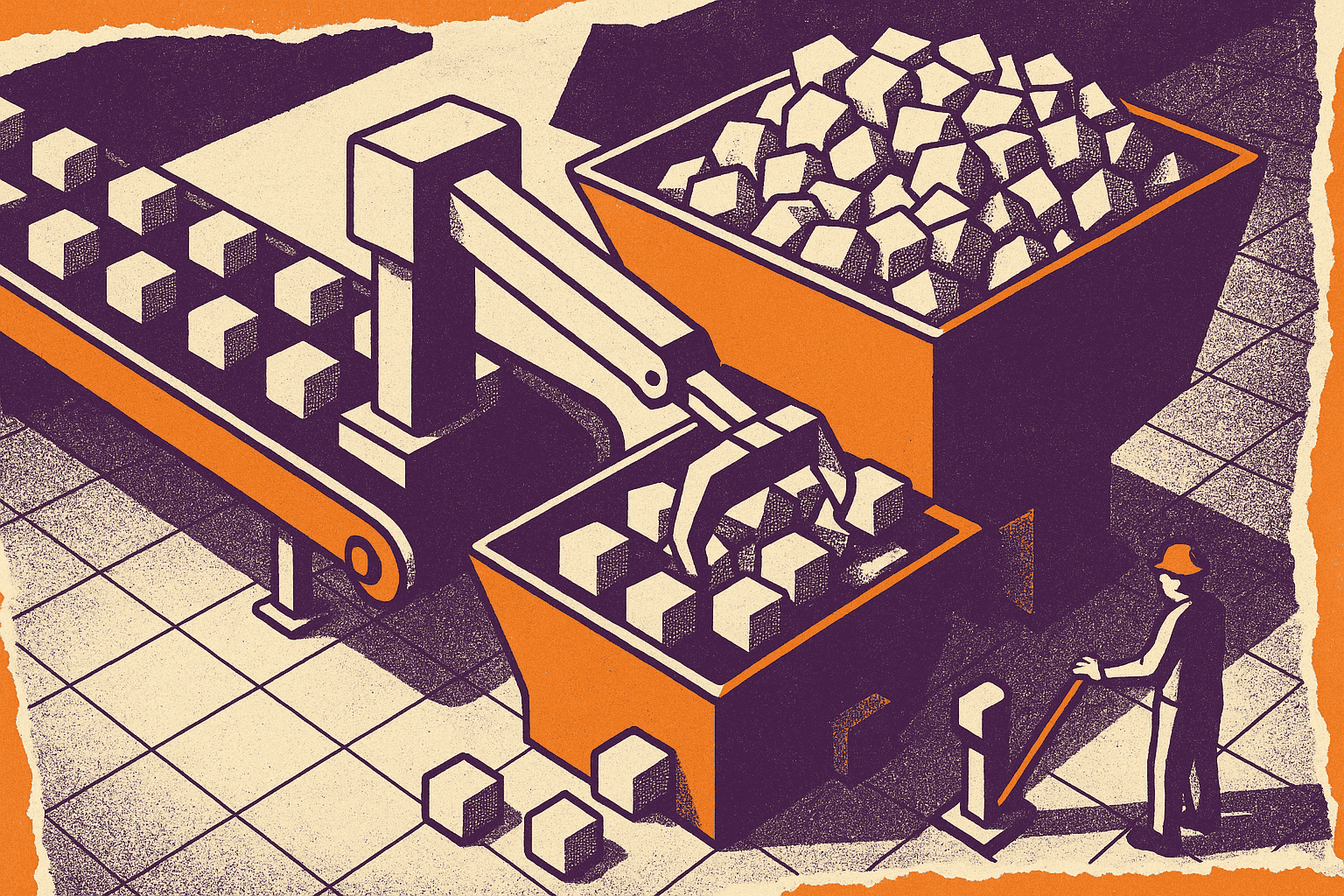
What replaces the point tools is agents, and agents run a meter. An always-on agent that researches, drafts, and executes bills by what it consumes, not by the seat, which collides with budget reviews built for fixed line items. The case study is Profound’s end-to-end marketing agent and the token economics underneath it, and the budget-side pressure is tracked on our companion page, the state of AI marketing budgets.
The ground under the stack is shifting too. Discovery is collapsing into AI answers, with roughly two in three Google searches now ending without a click, so the optimization target moved from ranking to being cited: what GEO means for marketing. And publishers are rebuilding their sites so agents can read them cheaply, converting pages to markdown and whitelisting bots, which quietly retires the ad-funded page the old funnel started from. What that does to content strategy is tracked on the state of AI content and brand.
The newest layer is the one written into the contracts. Google’s revised Ads terms, effective July 1 2026, authorize its systems to generate targets, ad copy, and destination URLs on the advertiser’s behalf while the advertiser keeps the liability. That is the stack question stated plainly: when the platform makes more of the decisions, the tool you’re buying is discretion, and the thing you keep is responsibility for the output. The same opacity shows up in targeting, where WPP and Dentsu now aim media buys at vector coordinates nobody can audit, and in the vendor layer above it, where a four-stage “loop” gets named by the company selling the replacement.
The pattern to watch
Three numbers tell you where this goes: the martech census (flat and culling), the share of leaders who say vendor AI agents underdeliver (45% and the tools are still selling), and the cost multiple of agentic work over simple chat (roughly 30x, on a meter that never stops). When consolidation, underdelivery, and metered pricing all land in the same budget cycle, the stack audit stops being optional.
We update this page as new data lands: the annual census, agent pricing moves, vendor consolidation, and on-the-record accounts from operators running these stacks. If you own a martech budget and have numbers from inside a renewal or an agent deployment, get quoted.
Questions people ask
Is the martech landscape shrinking in 2026?
It has flatlined and started culling. Brinker's 2026 supergraphic counted 15,505 products, up 0.79% year over year, with 1,488 additions against 1,367 removals. The typical casualty launched in the 2010s SaaS wave, sat in the $1M-$10M revenue band, and sold a single workflow that generative AI turned into a platform feature.
Should I buy standalone AI marketing tools?
Apply the absorption test first: if HubSpot, Salesforce, Adobe, or the model provider underneath the tool can ship its core feature next quarter, you're renting a bridge, not buying a home. The moats AI didn't flatten are proprietary data and workflow depth. Pay month to month for everything else.
What do AI marketing agents actually cost to run?
More than the demo suggests, and on a meter. EY's analysis puts a 2023-style chatbot exchange at about four cents and a 2026 orchestrated agent interaction at roughly $1.20, because agents loop through many model calls. Always-on agents multiply that by time, which is why Gartner expects 40% of agentic AI projects canceled by end of 2027 on cost and unclear value.
Why are publishers converting pages to markdown for AI agents?
Because machine readers are becoming a real audience with their own economics. TollBit clocked markdown pages returning to a model in 0.25 seconds versus a minute-plus for raw HTML, with token reductions up to 97.5%. The trade: a page an agent reads cheaply carries none of the ads, capture forms, or brand experience the human page monetized.
Get Net Effect.
The net effect of AI on your marketing: the stories that matter, twice a week, in five minutes.